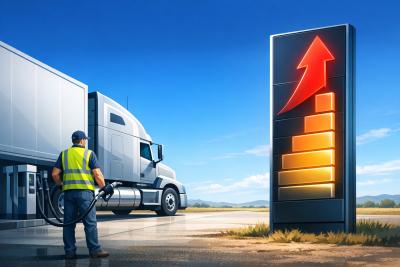

For an industry where fuel expenses constitute around 30% of total operating costs, such a steep rise is unsustainable, particularly for small and family-run freight businesses. The Australian Livestock and Rural Transporters Association (ALRTA) has highlighted that this surge represents a fundamental shift in the cost base of running a truck, making it nearly impossible for operators to absorb these additional expenses without passing them on to customers or facing potential closure.
In response to this crisis, industry leaders are calling for immediate government intervention. The National Road Transport Association (NatRoad) has conducted a survey revealing that 75% of trucking operators believe they will not survive beyond six months if the current fuel price trajectory continues. NatRoad's Chief Executive, Warren Clark, has urged the federal government to expedite the implementation of the $1 billion Economic Resilience Program announced earlier this month, emphasizing the need for swift action to provide financial relief to struggling operators.
Furthermore, the Australian Livestock and Rural Transporters Association (ALRTA) has proposed a coordinated six-month moratorium on heavy vehicle equipment finance repayments. This measure aims to alleviate cash flow pressures by allowing eligible operators to defer principal repayments on truck and trailer finance, thereby redirecting funds towards fuel and day-to-day operating expenses. The ALRTA asserts that such a moratorium could be implemented quickly without new legislation or direct government funding, relying instead on coordination between government, regulators, and financial institutions.
The urgency of the situation is underscored by the fact that many trucking businesses are already ceasing operations due to the untenable financial strain. For instance, a family-run trucking business in New South Wales recently closed its doors after fuel costs for a single load increased from $440 to $1,100, rendering the business unviable.
As the backbone of Australia's supply chain, the trucking industry plays a crucial role in the nation's economy. The current fuel crisis not only threatens the viability of individual businesses but also poses a significant risk to the broader economy, potentially disrupting the delivery of goods and services across the country. It is imperative that the government and industry stakeholders collaborate to implement effective solutions that ensure the sustainability of the trucking sector during this challenging period.
Please Note: If this information affects you or is relevant to your circumstances, seek advice from a licensed professional.