
One notable application of AI is the use of clinical scribes. These AI-driven tools listen to patient-practitioner interactions and automatically generate structured clinical notes. This development allows healthcare professionals to devote more attention to their patients, reducing administrative burdens and improving the quality of care.
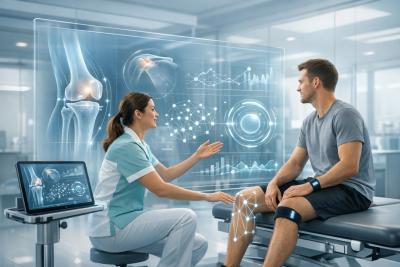
In rehabilitation, AI-powered computer vision and biofeedback systems are transforming patient exercises. These technologies monitor movements in real-time, providing immediate feedback to ensure correct form and technique. Such precision not only accelerates recovery but also minimises the risk of injury during rehabilitation.
AI is also playing a crucial role in diagnostics. Advanced algorithms analyse extensive datasets to detect patterns that may be overlooked by the human eye. For instance, in podiatry, AI systems assess gait patterns to predict potential issues, enabling early intervention and personalised treatment plans.
Furthermore, AI is bridging the gap in healthcare accessibility, particularly in rural and remote areas. Telehealth platforms equipped with AI capabilities facilitate remote assessments, ensuring that patients receive timely and accurate care regardless of their location.
While the benefits of AI in allied health are substantial, it is essential to address data privacy and ethical considerations. Ensuring that AI tools comply with Australian healthcare regulations and maintain patient confidentiality is paramount to their successful implementation.
In conclusion, the adoption of AI in allied health services is revolutionising patient care in Australia. By enhancing diagnostic accuracy, personalising treatment plans, and improving accessibility, AI is setting a new standard for healthcare delivery.
Published: Thursday 26th March, 2026
Please Note: If this information affects you or is relevant to your circumstances, seek advice from a licensed professional.