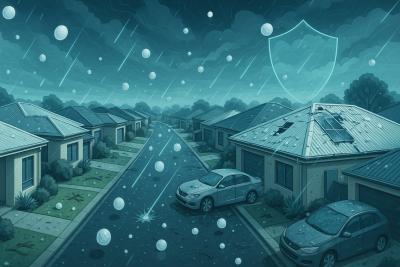

According to IAG's findings, severe storms, including hailstorms, are predicted to affect the most populated regions in southern Australia. This heightened risk is expected to lead to more frequent and costly insurance claims, thereby driving up premiums for homeowners.
William McDonnell, IAG's Chief Financial Officer, emphasized that while various factors influence insurance pricing, the component related to natural perils is gradually increasing. He noted that this trend is particularly evident in areas more exposed to these perils, underscoring the need for urgent action to mitigate climate change impacts.
The 'Severe Weather in a Changing Climate' report, published by IAG in collaboration with the US National Science Foundation's National Centre for Atmospheric Research, highlights that severe convective storms, including hailstorms, are among the most frequent and damaging weather hazards in Australia. The report also forecasts an increase in heatwaves combined with dry conditions, significantly raising the number of extreme fire weather days and, consequently, the intensity of bushfires.
Furthermore, tropical cyclones are expected to become windier and wetter, potentially maintaining their intensity further away from the tropics. This shift could escalate risks in regions like southeast Queensland, New South Wales, and southwest Western Australia, where buildings may not be constructed to withstand mid-to-high-end category cyclones.
Over the past five years, Australia has experienced 14 declared catastrophes and eight significant weather events, resulting in insured costs totaling $22.5 billion. This marks a 67% increase compared to the previous five-year period, highlighting the growing financial toll of extreme weather events on the insurance industry and policyholders alike.
In response to these challenges, IAG has implemented strong reinsurance protection measures to stabilize and moderate the impact of such events on premiums. However, the company stresses the importance of proactive measures to address climate change and its effects on the insurance sector.
For tradespeople and small business owners in the trades sector, understanding the implications of climate change on insurance premiums is crucial. Implementing risk management strategies, such as securing comprehensive coverage tailored to specific trade requirements and staying informed about industry regulations, can help mitigate potential financial losses due to climate-related events.
Published: Monday 8th December, 2025
Please Note: If this information affects you or is relevant to your circumstances, seek advice from a licensed professional.